


Introduction
Throughout the history of AI, its portrayal in popular culture has been both fascinating and sometimes amusing. In the early days, the concept of AI was often associated with intelligent robots performing physical labor while humans handled the more cerebral tasks. Let’s take a journey through time and explore how AI’s depiction has evolved, from being perceived as “dumb” laborers to the emergence of generative AI that challenges our preconceived notions.
The Rise of Dumb Robots
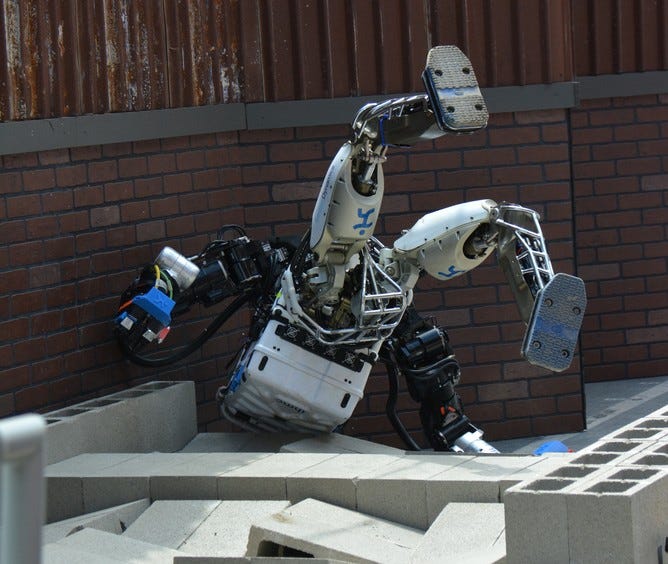
In many classic science fiction movies like “Metropolis” (1927) and “Forbidden Planet” (1956), AI was often represented by mechanical beings carrying out menial tasks. These robots possessed impressive physical abilities but lacked the capacity for complex thought. They were the embodiment of strength but not intellect, leading humans to feel superior in their cognitive abilities.
The Human Advantage
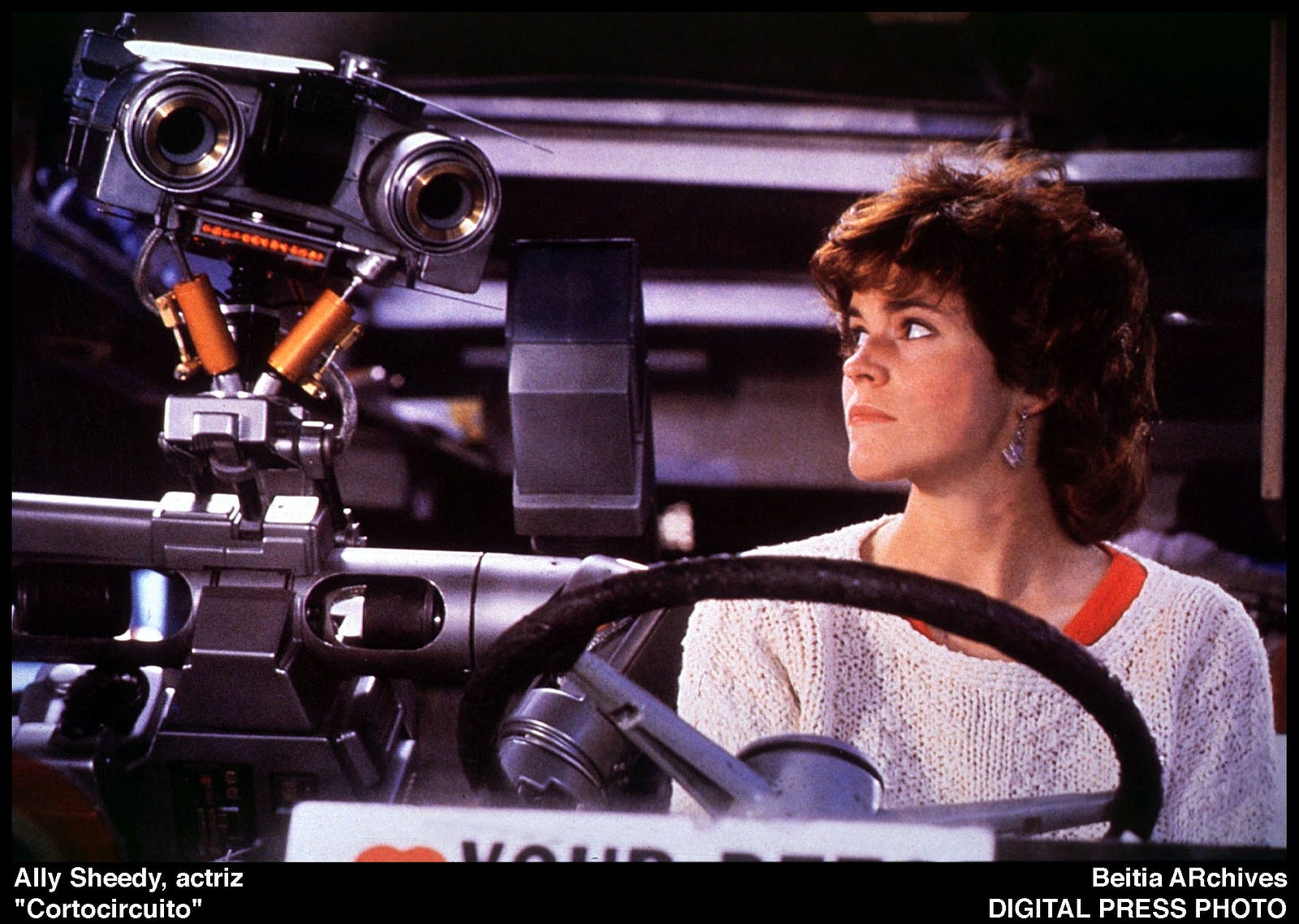
During the early days of AI, the belief that humans were superior in cognitive tasks persisted. In movies like “War Games” (1983) and “Short Circuit” (1986), AI was portrayed as highly intelligent in certain domains but lacking the deeper understanding that humans possessed. The idea of AI surpassing human intelligence seemed like a distant dream.
Generative AI: A Twist in the Tale

Fast forward to the present day, and we find ourselves in the midst of a technological revolution. Generative AI, like the powerful GPT-3.5 language model, has emerged as a testament to the remarkable advancements in AI capabilities. It can generate human-like text, assist with coding, write articles, and even compose music.
To your wonder, this blog’s cover image is generated using an AI tool specifically for this blog.
Movies Reflecting the Evolution
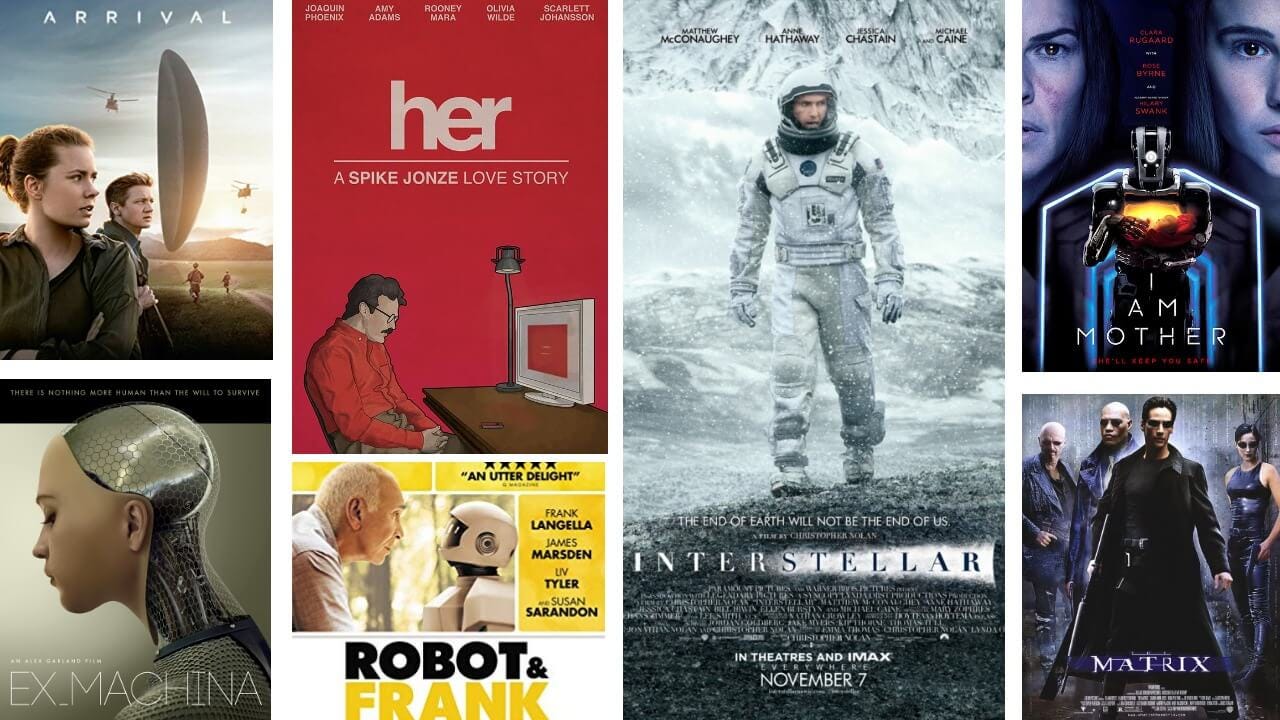
Modern movies like “Ex Machina” (2014) and “Her” (2013) depict AI as sophisticated entities capable of complex emotions and interactions with humans. These films explore the boundaries between human and AI intelligence, blurring the lines and raising thought-provoking questions about the nature of consciousness and the potential of AI.
Memes and Jokes
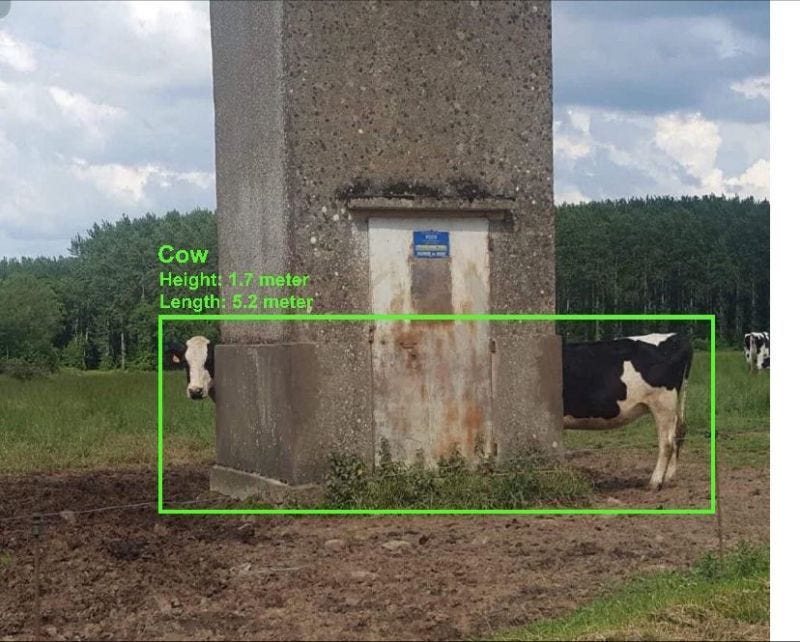
The internet, ever ready to poke fun, has given birth to countless memes and jokes about AI. Memes showing AI struggling with basic tasks or making hilariously incorrect assumptions highlight the discrepancy between the imagined capabilities of AI and the reality. These lighthearted jests remind us that AI, while impressive, still has its limitations.
Questioning Our Assumptions
As we witness the rapid progress of AI, it begs the question: Are we underestimating the potential of AI? Could the lines between human and machine intelligence become increasingly blurred? With each breakthrough, AI challenges our preconceived notions, prompting us to question the future of work, the role of humans, and the boundaries of what machines can achieve.
Conclusion
The evolution of AI portrayals in popular culture reflects our changing understanding of this field. From the early days of dumb robots to the emergence of generative AI, we have witnessed a shift in perspective. Modern movies like “Ex Machina,” “Her,” and “Blade Runner 2049” portray AI as sophisticated and capable of challenging our notions of intelligence.
As we embrace the possibilities offered by generative AI, it’s important to keep a sense of humor and remain open to the transformative potential of this technology. So, the next time you encounter a meme or watch a movie featuring AI, remember that AI is constantly evolving, and the future may hold even more surprises than we can imagine.
Twisty Question
Now, dear reader, as you contemplate the evolution of AI and its portrayal, consider this: If AI continues to advance at an exponential pace, what aspects of human intelligence do you think will always remain uniquely human? Share your thoughts and let the conversation unfold!
Follow me on Medium
 Josh Software