


It’s really exciting when you can visually represent your emotions, and provide the purpose for people to engage with it.
Graphic design is a creative form of visual communication that can be found in various mediums, including print, digital media, advertising, branding, packaging, and more.
At its core, graphic designing aims to convey information, evoke emotions, and engage audiences through its thoughtful arrangement of visual elements. Whether it’s designing a logo for a brand, creating an eye-catching poster for an event, or developing a user-friendly interface for a website, graphic designers use their artistic skills and knowledge of design principles to solve communication challenges and achieve specific objectives.
The Significance of Graphic Designing
- In graphic designing, using pictorial formats to convey key points prove to be more effective and engaging for viewers. It enables the way we perceive and interact with the world around us.
- Being a silent hero, graphic designing shapes the visual identity of businesses, organizations, and even individuals.
- It acts as a bridge between the audience’s ideas, transforming concepts into tangible visual experiences.
Let’s take an example. Graphical representations capture the attention of the audience faster than a simple line of text. When writing paragraphs after paragraphs, a pictorial format also helps break the monotony and gives a fresh look. Hence, here, graphic designing plays an important role.
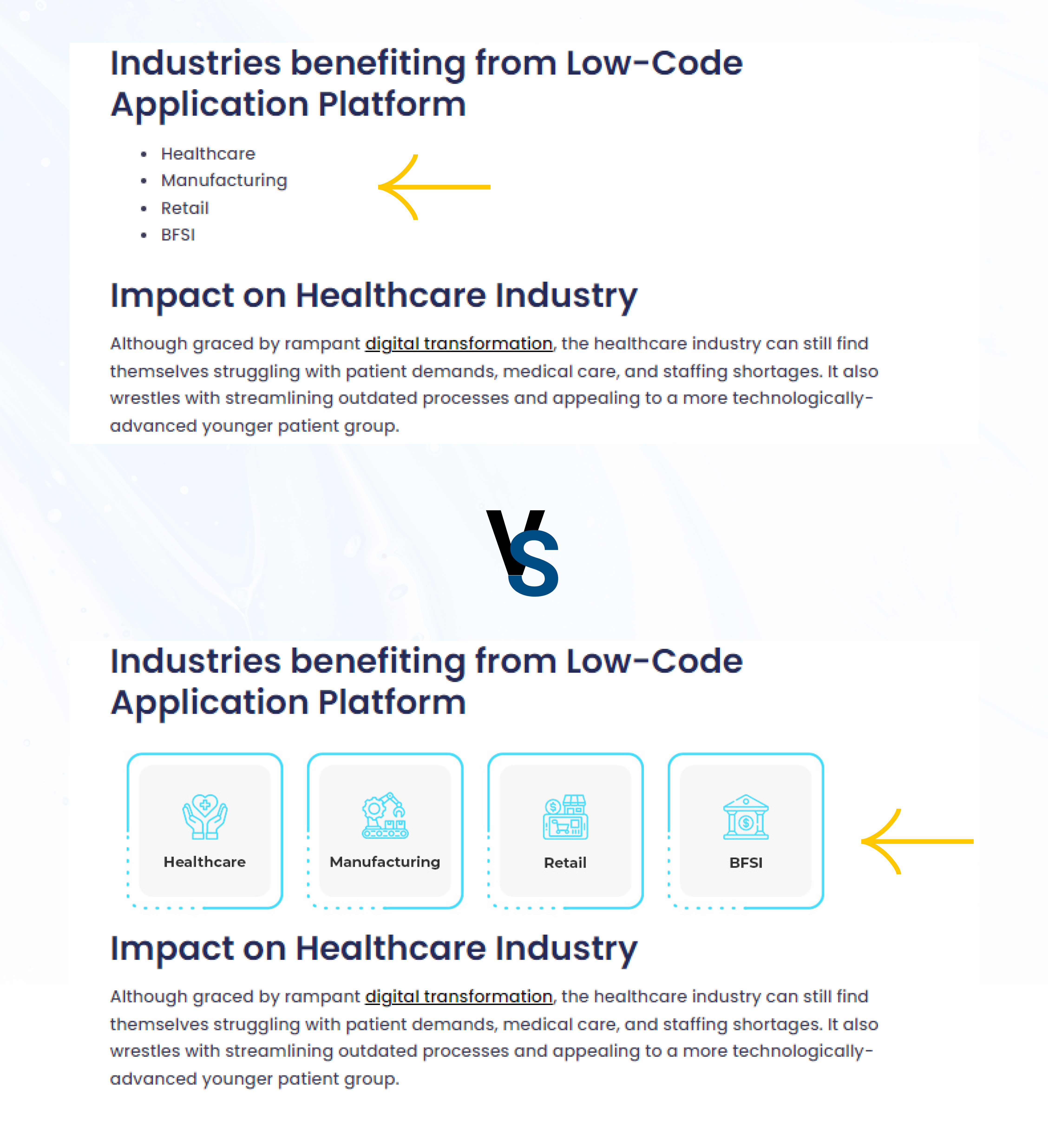
Principles of Graphic Designing
Let’s look at some of the key principles of graphic designing. These principles serve as the foundation upon which visual narratives are built that ensure coherence, balance, and harmony in the work. Some of the fundamental principles of graphic designing include:
- Balance: Ensuring a state of calmness through the distribution of visual elements. To achieve this state of calmness, dispersing elements can help reduce the clutter of similar elements in one space. Having elements with different features ( like different font sizes, colors ) comprises the balance of the page. Thus, it is necessary to harmonize attributes.
- Hierarchy: Organizing content step by step to guide the viewer’s attention and convey importance. For example the main header should be more prominent and bigger in font size than the body of the text, since readers tend to focus on the header before they begin reading the piece. With the help of hierarchy we organize the elements based on their significance.
- Contrast: Balancing the differences in color, size, and shape to create emphasis and visual interest based on the nature of the business.
- Unity: Creating harmony among diverse elements. It is necessary for the elements to come together and convey the story as a whole, meaning the elements should have a clear relation amongst each other.
- Typography: Selecting and arranging typefaces to enhance readability and elevate the mood. Make sure to keep the text short and crisp, and highlight key words to avoid distraction from the main topic.
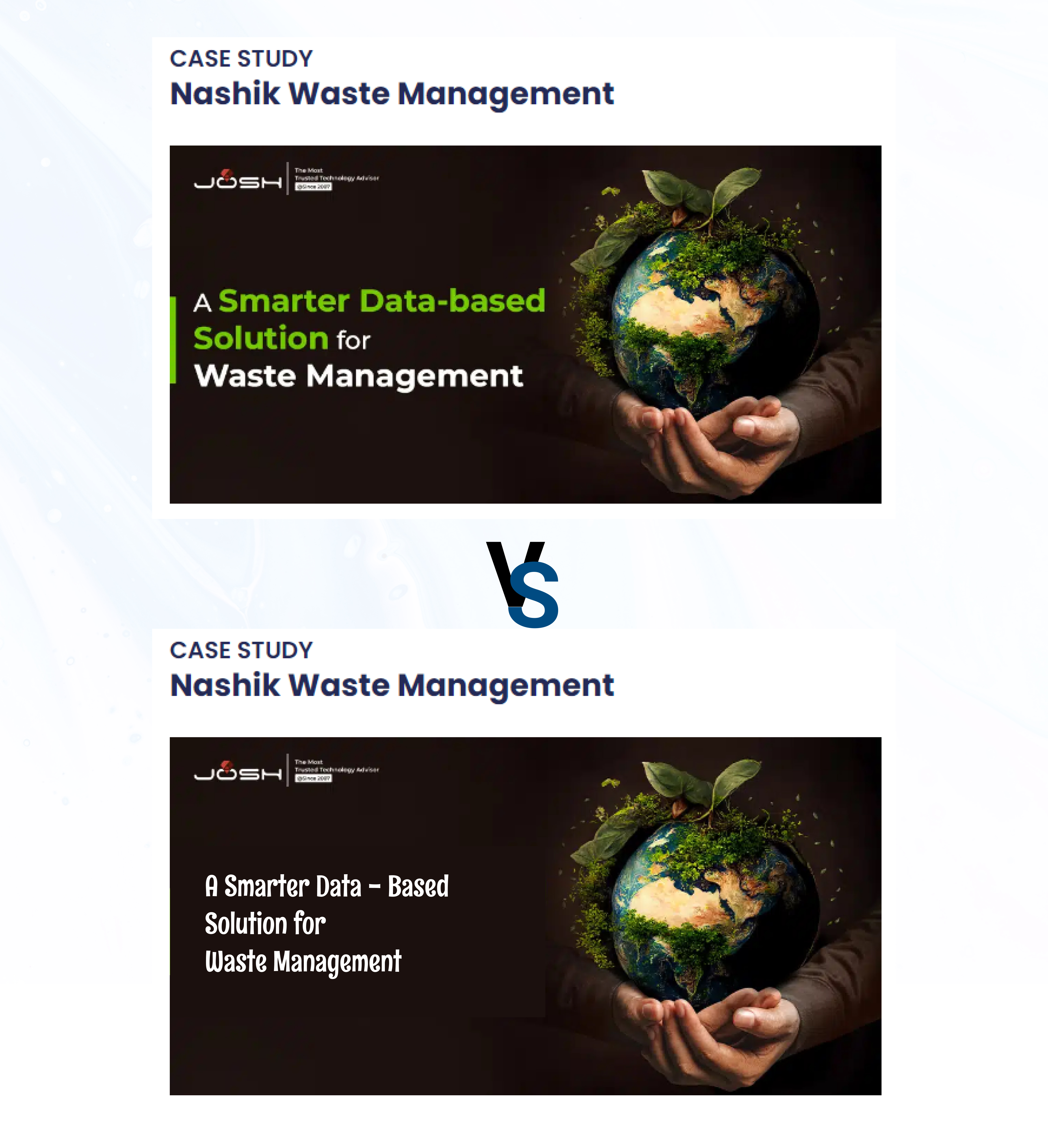
- Color Theory: Utilizing color psychology in design helps evoke emotions and convey meaning according to the nature of the business.

Let’s talk about an example that showcases these guidelines!
We had a requirement for building a case study for a client that dealt with a database for waste management. Now, when we think about the environment, it is the color green that first pops in our head. This can be seen in the image below –
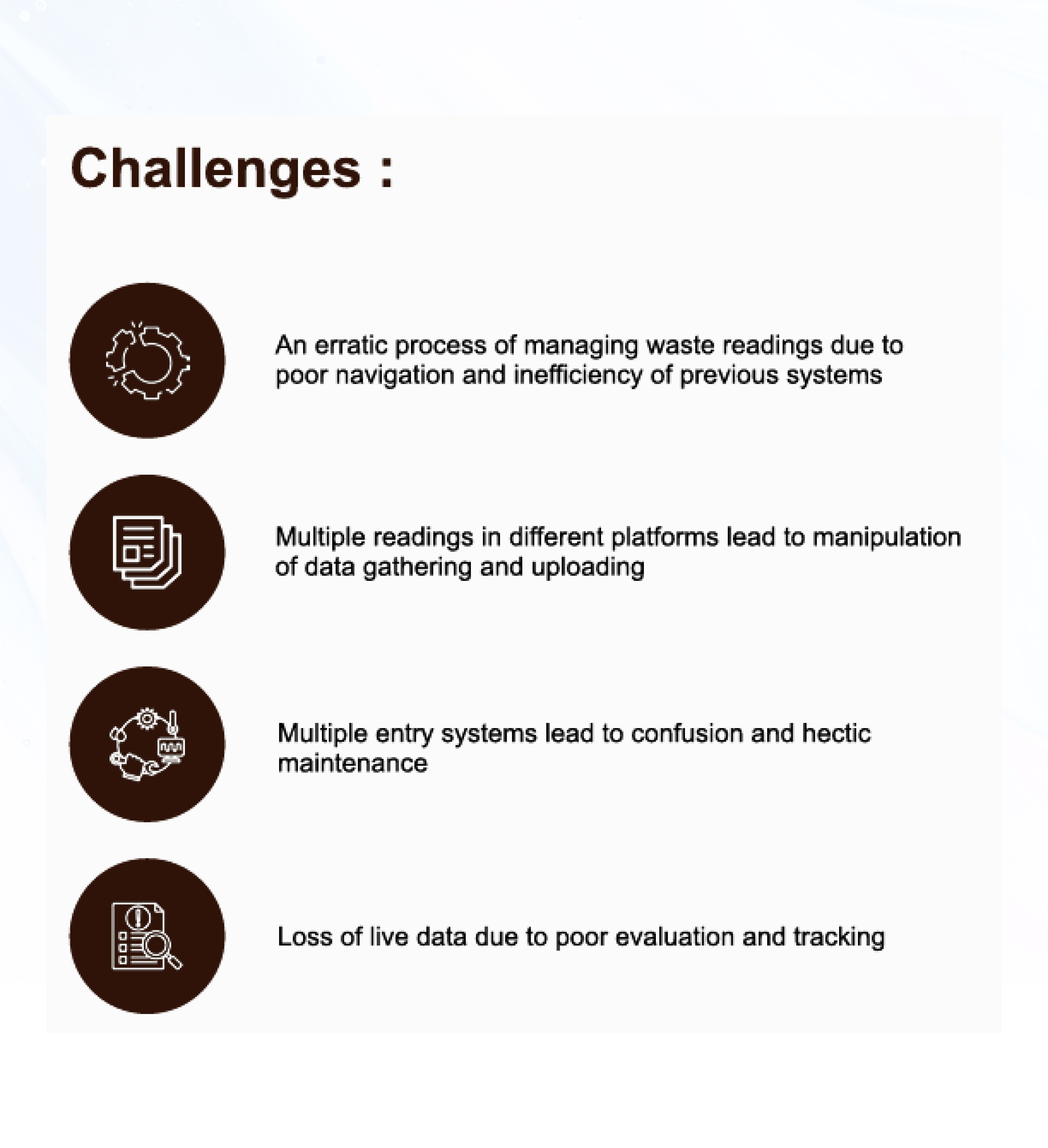
Apart from the color theory, it is also important to make the document formal yet attractive and engaging. Instead of using long boring paragraphs, clean bullet points appeal more to readers (as illustrated in the below image). Keeping your content short and crisp along with the use of interactive icons, you can make pages pop more, and kill the monotony of plain texts!
Graphical designing is constantly evolving with market trends and technology. From branding and marketing to user experience and web design, graphic designing shapes our visual culture. As graphic designers, it is necessary to keep adapting to new tech trends and use that knowledge to stay relevant and be innovative.
 Josh Software